News
-
2015-08-27Visit of a delegation from University of RuhunaSouth China Botanical Garden, CAS welcomed a delegation from University of Ruhuna on August 26,2015. The aim of the visit was to establish research collaboration in the area of medicinal plants. The vice chancellor, Prof. Gamini Senanayake highly praised the research conducted by the University of Ruhuna and expressed their willingness to go for...Read More
-
2015-07-28Agreements signing with Germany, Bolivia and VietnamSCBG signed cooperation agreements with Bolivia University of San Andres(UMSA), Institute of Ecology and Biological Resources, Vietnam Academy of Sciences and Technology, and Germany University of Wuerzburg in June,2015.Read More
-
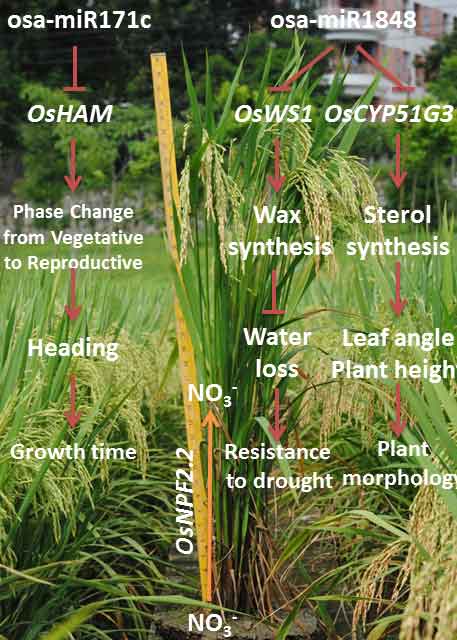 2015-06-19Identification of four genes related with agronomic traits of riceRice is one of important crops and a model plant for molecular biology. Growth period, nutrition utilization efficiency, stress resistance and ideal plant type are important agronomic traits.Read More
Recently, South China Botanical Garden, Chinese Academy of Sciences, identified four rice genes, which affect above agronomic traits. Li et al found th... -
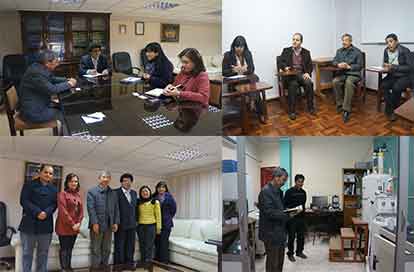 2015-06-17SCBG Delegation visit BoliviaSCBG delegation led by Director-general, Prof. Huang Hongwen visited University of San Andres (UMSA) in La Paz for scientific cooperation and exchange at the first time from May 24 to 29,2015.Read More
During the visit, SCBG and UMSA discussed the future cooperation such as flora of Bolivia, biodiversity conservation especially for rare and endanger...